

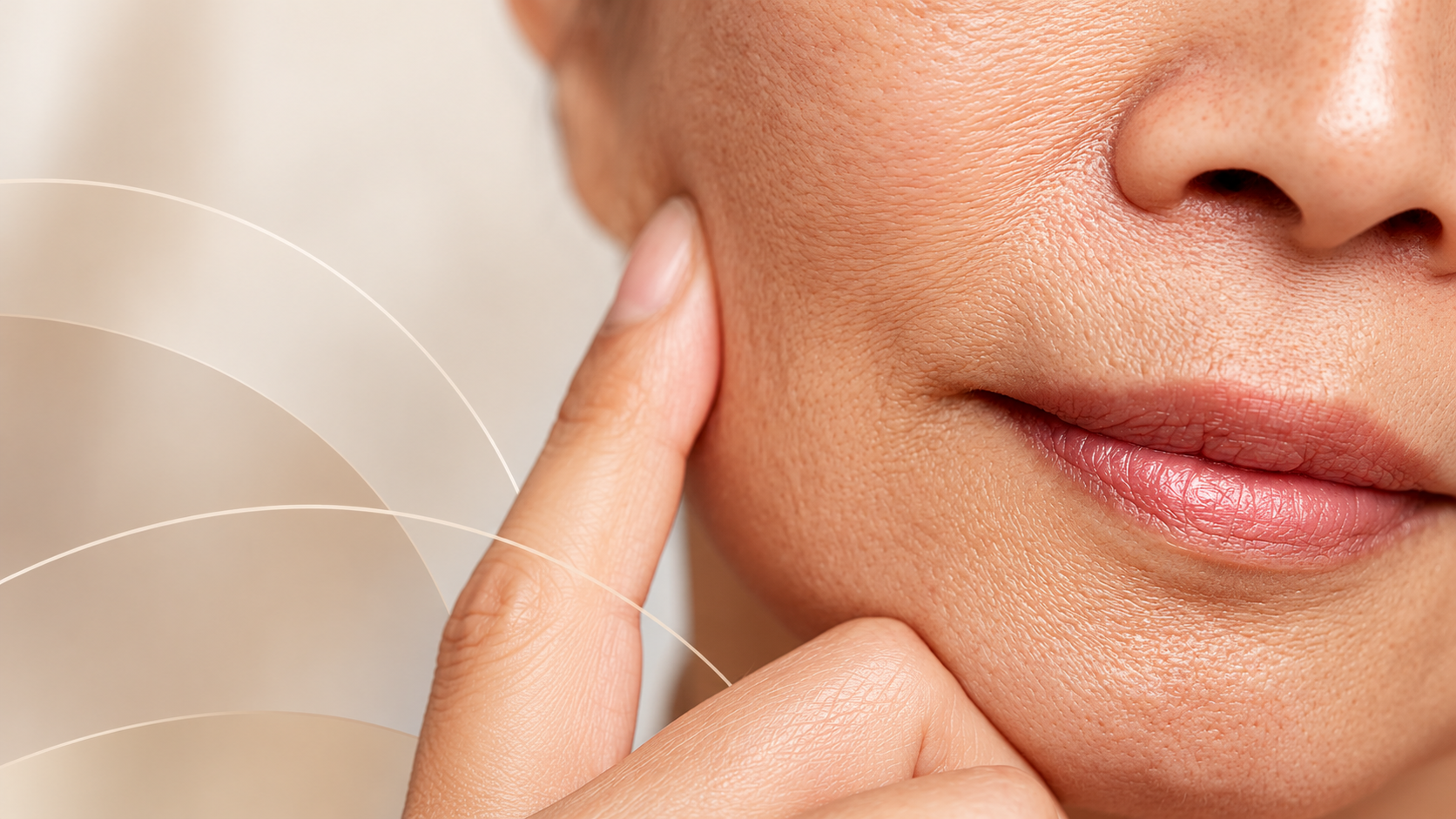
You might not have deep wrinkles or noticeable facial sagging, yet your skin looks thinner, slightly crinkled, or less smooth than it used to. Perhaps you’ve noticed a papery texture beneath your eyes, fine lines when you smile, or skin that creases more easily when you move.
While wrinkles and loose skin are often associated with aging, crepey skin is a slightly different concern. Understanding what causes these changes can help you find the most appropriate treatment.
At LIV Dermatology in San Antonio, Texas, we take a personalized approach to improving skin quality, considering factors such as collagen loss, hydration, sun damage, and elasticity.
So, why does skin become crepey, and what can you do to improve its appearance?
What Is Crepey Skin?
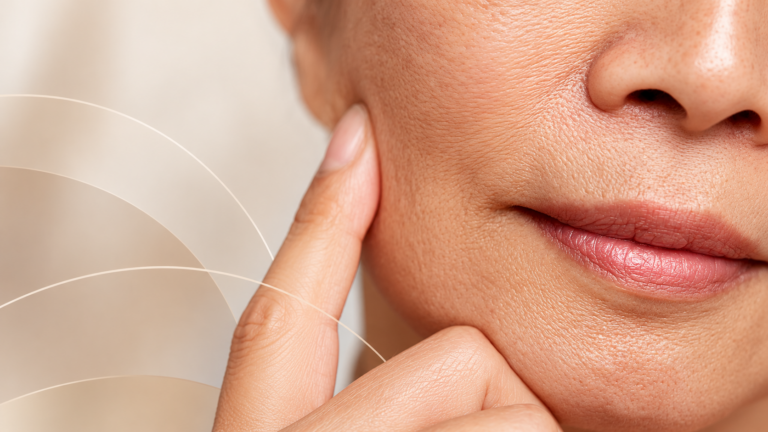
Crepey skin describes skin that appears thin, finely wrinkled, or crinkled, resembling crepe paper. Unlike deeper wrinkles, which form distinct lines or folds, crepiness usually involves numerous fine lines across a larger area.
It commonly develops beneath the eyes, around the mouth, and on the neck, chest, and upper arms.
Although crepey skin and loose skin can occur together, they are not the same concern. Crepiness primarily affects skin texture and elasticity, while skin laxity involves a loss of firmness that allows the tissue to sag. This distinction matters because treatments that improve firmness may not necessarily address surface texture.
Why Does Skin Become Crepey?
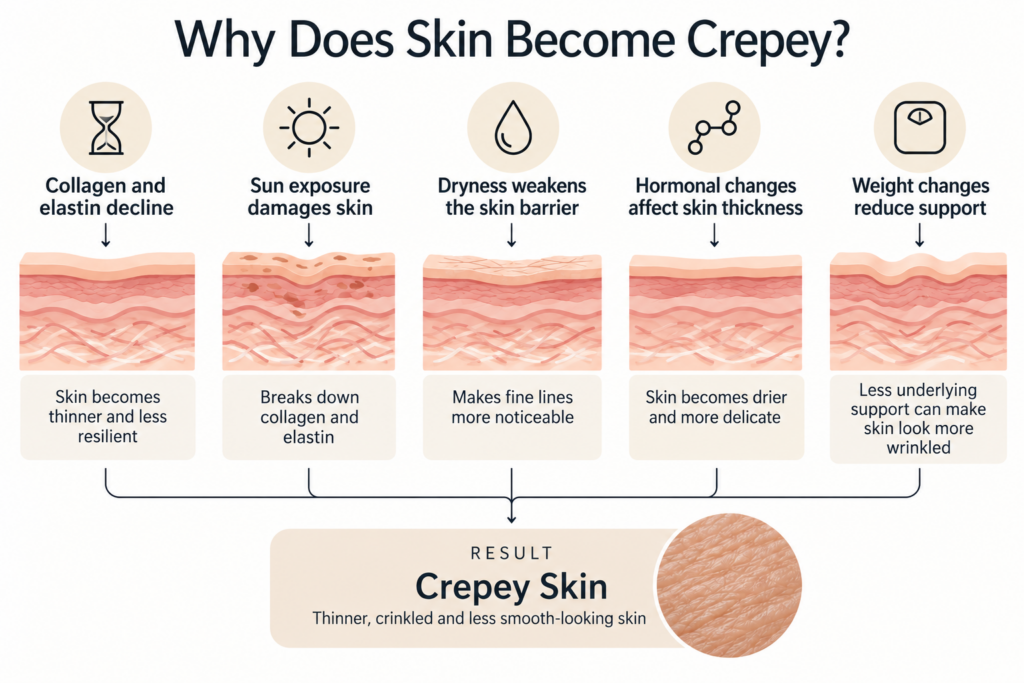
Crepey skin develops when changes in skin structure, elasticity, and hydration make the surface appear thinner and more finely wrinkled. These factors often overlap, which is why identifying the underlying cause is important when choosing the right treatment.
Which Treatments Can Help Improve Crepey Skin?
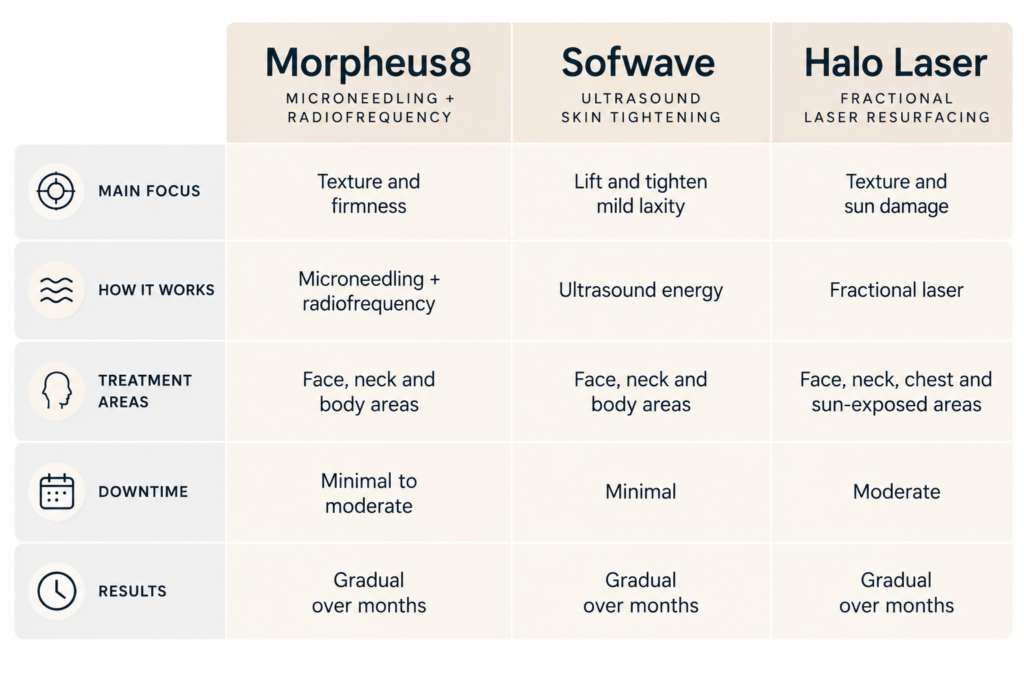
The most suitable treatment depends on whether crepiness is primarily associated with uneven texture, collagen loss, or reduced firmness.
At LIV Dermatology, several non-surgical options may help improve these concerns.
Morpheus8: For Crepey Texture and Reduced Firmness
Morpheus8 combines two technologies, microneedling and radiofrequency energy, to improve skin texture and firmness.
During treatment, tiny needles penetrate the skin at carefully selected depths, delivering controlled radiofrequency heat into the underlying tissue. This triggers the body’s natural healing response and encourages the production and remodeling of collagen, which helps maintain smoother, firmer skin.
For patients with crepey skin, Morpheus8 may help soften fine lines, improve uneven texture, and address early skin laxity. It can be particularly useful around the lower face, jawline, and neck, as well as suitable areas of the body.
Because the treatment works beneath the skin’s surface, improvements develop gradually as collagen remodels over the following months. Some patients may benefit from multiple sessions, depending on their skin condition and goals.
Sofwave: For Crepey Skin With Mild Laxity
Sofwave is a non-invasive ultrasound treatment designed to improve skin firmness without needles or resurfacing.
It works by delivering controlled ultrasound energy into the middle layer of the skin, where collagen provides much of its structural support. The heat stimulates the body’s natural collagen-remodeling process while leaving the skin’s outer surface largely unaffected.
Sofwave may be particularly helpful when crepey skin is accompanied by mild looseness or reduced elasticity. It can be used on suitable areas such as the face, neck, chest, and certain body areas, including the arms and abdomen.
Unlike treatments that focus primarily on surface texture, Sofwave is designed to improve the skin’s underlying firmness. Changes generally become more noticeable over the following weeks and months as collagen remodeling progresses.
Halo Laser: For Sun-Damaged Skin and Fine Surface Lines
Halo Laser is a fractional laser treatment that targets visible signs of skin aging, particularly fine lines, uneven texture, and sun damage.
It combines two laser wavelengths that work at different depths within the skin. One creates controlled microscopic areas of resurfacing to encourage the removal of damaged surface tissue, while the other delivers heat deeper into the skin to stimulate collagen remodeling.
For patients whose crepey skin is accompanied by rough texture, fine surface lines, or uneven pigmentation, Halo may help create a smoother, more even-looking complexion.
Because Halo involves controlled skin resurfacing, some redness, swelling, and temporary roughness or flaking can be expected during recovery. The intensity of treatment and suitability will depend on your skin type, pigmentation history, and individual concerns.
Can Skincare Products Really Help Crepey Skin?
A consistent skincare routine can improve how crepey skin looks and feels, particularly when dryness makes fine lines more noticeable. Although skincare cannot fully reverse collagen loss or skin thinning, the right products can support hydration, improve texture, and protect against further damage.
At LIV Dermatology, we recommend professional skincare brands, including Skinbetter Science, Epionce, and EltaMD, to support different skin concerns.
A practical routine may include:
- Daily Sun Protection: Broad-spectrum SPF 30 or higher helps protect against further sun damage. EltaMD offers sunscreen options suitable for different skin types.
- Hydration and Barrier Support: Skinbetter Science Trio Luxe Rebalancing Moisture Treatment and Epionce Renewal Calming Cream can help nourish dry skin and support the skin barrier.
- Retinoids for Skin Texture: Skinbetter Science AlphaRet products may help improve fine lines and uneven texture over time. The AlphaRet Body Overnight Cream is particularly relevant for crepey-looking skin on the arms and body.
- Gentle Cleansing: Avoid harsh scrubs and excessive exfoliation, particularly if your skin is already dry or sensitive.
- Consistency: Regular use of suitable skincare products is generally more beneficial than frequently changing your routine.
If your skin is particularly sensitive or irritated, restoring the skin barrier should take priority before introducing stronger active ingredients. A personalized skincare consultation at LIV Dermatology can help identify products suited to your skin type and concerns.
When Should You See a Dermatologist About Crepey Skin?
If your skin has become noticeably thinner, more finely wrinkled, or less elastic, a dermatologist can help determine whether these changes are related to aging, sun damage, dryness, or another underlying condition.
An assessment is particularly important if your skin becomes unusually fragile, bruises easily, or develops persistent irritation. Sudden or unexplained changes should not automatically be attributed to aging.
Professional guidance can also help determine whether skincare alone is appropriate or whether a treatment targeting texture, collagen, or laxity may provide additional benefits.
Frequently Asked Questions About Crepey Skin
Can crepey skin go back to normal?
Mild crepiness caused by dryness may improve considerably with consistent hydration and skincare. However, when the skin has become thinner or lost elasticity due to aging or sun damage, completely restoring its original appearance is unlikely. Professional treatments may help improve texture and firmness, but results vary depending on the underlying cause.
Why is the skin under my eyes suddenly crepey?
The skin beneath your eyes is naturally thin, making changes in hydration and elasticity particularly noticeable. Lack of sleep, irritation from skincare products, and seasonal dryness can make fine creases appear more prominent. If the change is sudden or accompanied by redness, swelling, or itching, a dermatologist can help identify whether irritation or another skin condition is responsible.
Does drinking more water help crepey skin?
Drinking enough water supports normal skin function, particularly if you are dehydrated. However, increasing your water intake beyond what your body needs is unlikely to significantly improve crepey skin caused by collagen loss or aging. Topical moisturizers are generally more effective for addressing surface dryness.
Do collagen supplements help tighten crepey skin?
Collagen supplements are often marketed for improving skin firmness and elasticity, but research remains mixed. Some studies suggest modest improvements in skin hydration and elasticity, although there is insufficient evidence that supplements can reverse established crepiness. A balanced diet with adequate protein and nutrients remains important for supporting healthy skin.
How long does it take to see improvements in crepey skin?
The timeline depends on the cause and treatment approach. Moisturizers may improve the appearance of dryness-related fine lines relatively quickly, while retinoids and professional collagen-stimulating treatments generally require several weeks to months. More established crepiness may need ongoing care, and the degree of improvement varies between patients.
Improve Crepey Skin at LIV Dermatology
Crepey skin can develop for several reasons, which is why the most effective approach starts with understanding what’s happening beneath the surface.
At LIV Dermatology in San Antonio, Texas, we offer personalized skin assessments and advanced treatments, including Morpheus8, Sofwave, and Halo Laser, to address suitable concerns.
Our focus is on improving skin quality and achieving natural-looking results through treatments selected for your individual needs.
Schedule a consultation at LIV Dermatology to explore your options for smoother, firmer, healthier-looking skin.