

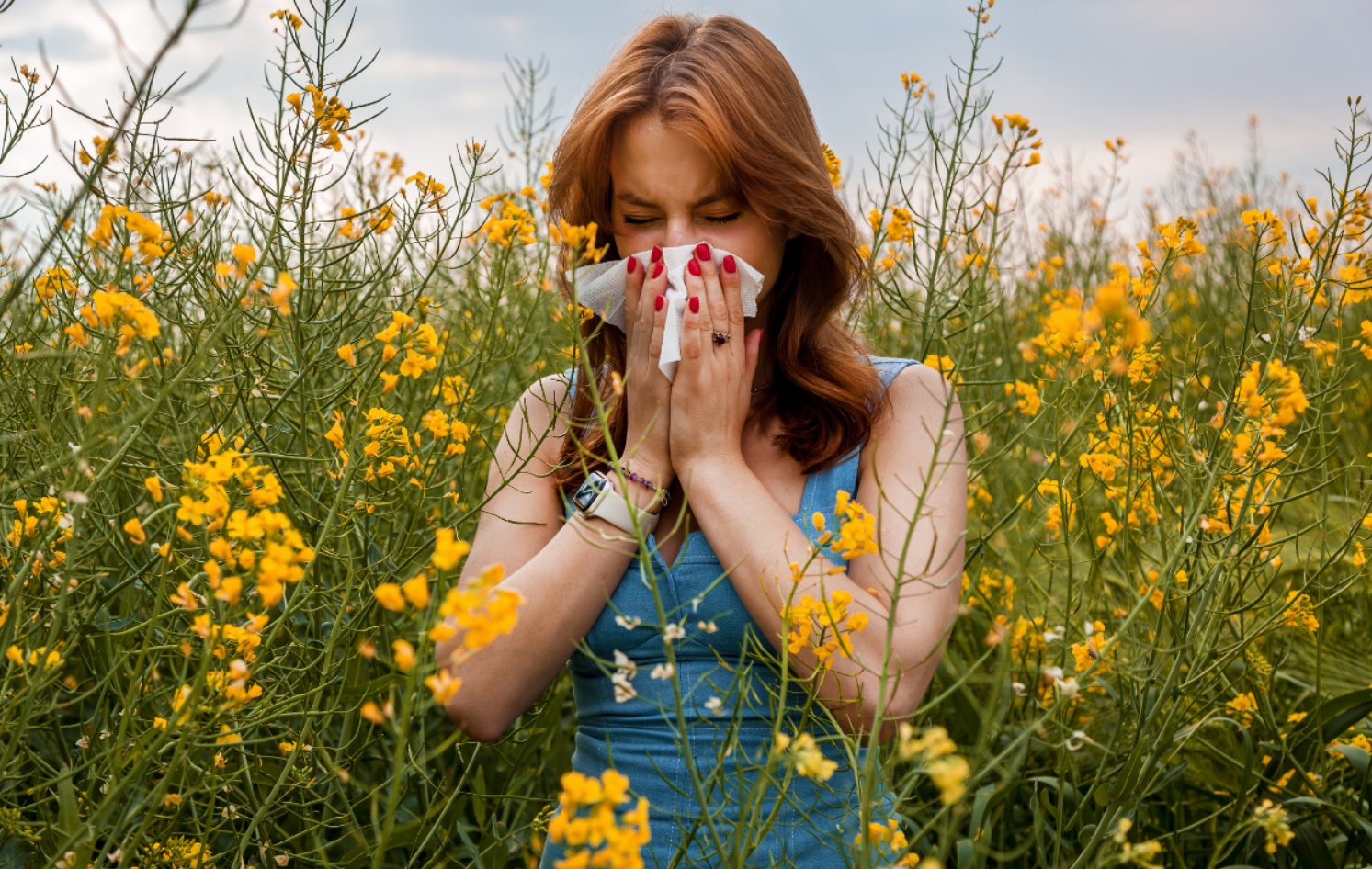
Spring allergy season can cause skin reactions such as itching, redness, rashes, and eczema flare ups because pollen and environmental allergens trigger an inflammatory immune response in the skin. While most people associate seasonal allergies with sneezing and watery eyes, the skin is actually one of the body’s largest and most reactive immune organs. During spring, rising pollen levels and environmental allergens can disrupt the skin barrier, leading to irritation, inflammation, and uncomfortable skin symptoms.
For many women in their 30s, 40s, 50s, and beyond, spring allergies can also worsen existing skin concerns such as sensitivity, redness, or dermatitis. Understanding why these reactions occur and how to calm the skin can help prevent prolonged irritation and restore balance. At LIV Dermatology & Aesthetics in San Antonio, our dermatology specialists regularly help patients identify seasonal skin reactions and develop personalized treatment strategies to support healthier skin.
Why Spring Allergy Season Can Trigger Skin Problems
Spring brings warmer weather and blooming plants, but it also brings higher levels of airborne allergens. Tree pollen, grass pollen, and environmental irritants circulate in the air and regularly come into contact with the skin.
When these allergens settle on the skin, they can trigger the immune system to release histamine and other inflammatory chemicals. This response can lead to itching, redness, swelling, and irritation.
For people with sensitive skin or conditions such as eczema or dermatitis, symptoms may be more noticeable. Even those without existing skin concerns can experience spring allergy skin rashes, itchy skin during allergy season, and other seasonal allergy skin symptoms during peak pollen months.
How Seasonal Allergies Affect the Skin
The Immune System and Histamine Release
Seasonal allergies occur when the immune system mistakenly identifies harmless environmental substances as threats. When pollen or allergens contact the skin, the immune system activates inflammatory pathways to defend the body.
One of the key chemicals released during this process is histamine. Histamine increases blood flow to the affected area and triggers nerve responses that cause itching and redness. This reaction is beneficial for fighting infection, but during allergy season it can cause persistent irritation.
This histamine response explains why many patients experience itchy skin allergies and allergic reaction skin symptoms during spring.
Why Pollen and Environmental Allergens Irritate Skin
Pollen particles are extremely small and can easily settle on exposed areas of the skin, including the face, neck, and arms. When combined with sweat, pollution, and sunlight, these particles can disrupt the skin barrier.
The skin barrier is responsible for protecting the body from environmental irritants. When this barrier becomes weakened or compromised, allergens can penetrate deeper into the skin and trigger inflammatory reactions.
Patients with already compromised skin barriers, such as those with dry skin or eczema, are particularly vulnerable to skin reactions during pollen season.
Most Common Spring Allergy Skin Reactions
Allergic Contact Dermatitis
One of the most common allergy related skin reactions is allergic contact dermatitis. This occurs when the skin comes into direct contact with an allergen that triggers an inflammatory reaction.
Symptoms often include:
- Redness
- Itching
- Swelling
- Dry or flaky patches
- Rash-like irritation
During spring, pollen and plant allergens are common triggers for dermatitis reactions.
Hives (Urticaria)
Hives, medically known as urticaria, are another common allergy related skin condition. These appear as raised, itchy welts that can develop suddenly after exposure to allergens.
Hives occur when histamine causes blood vessels to leak fluid into surrounding tissues. This creates swollen patches of skin that can vary in size and location.
Many people experiencing allergy rash symptoms during spring are actually experiencing temporary allergic hives triggered by pollen exposure.
Eczema Flare Ups During Allergy Season
For individuals with eczema, spring allergies can worsen symptoms. Eczema is closely linked to immune system activity and skin barrier dysfunction, making it particularly sensitive to environmental triggers.
Exposure to allergens can lead to:
- Increased itching
- Dryness
- Inflammation
- Red patches of irritated skin
Many patients searching for eczema seasonal allergies or spring eczema flare are experiencing this type of reaction.
Pollen Induced Skin Irritation
Some patients experience generalized irritation when pollen settles on the skin. This can create symptoms such as redness, mild itching, or small bumps on exposed areas.
Unlike dermatitis or hives, pollen irritation may appear as subtle inflammation that worsens after outdoor exposure. This type of reaction is common among people with sensitive skin or compromised skin barriers.
Symptoms That Suggest Your Skin Reaction Is Allergy Related
Signs to Watch For
Certain symptoms suggest that your skin reaction may be related to seasonal allergies. These include:
- Persistent itching
- Red or inflamed skin
- Rash that appears after outdoor exposure
- Swelling or irritation
- Skin sensitivity during high pollen days
Many patients report that symptoms worsen after gardening, walking outside, or spending time in grassy areas.
When Skin Symptoms Appear During Allergy Season
Seasonal allergy skin reactions often follow predictable patterns. Symptoms may appear shortly after exposure to pollen or environmental allergens and improve when exposure is reduced.
For example, patients may notice that itching develops after outdoor activities but improves after showering or washing the skin.
Tracking these patterns can help dermatologists identify allergy related triggers.
How to Calm Allergy Related Skin Reactions
Protecting the Skin Barrier
Supporting the skin barrier is one of the most effective ways to reduce allergy related irritation.
Gentle skincare routines can help minimize inflammation and restore balance to the skin. Dermatologists often recommend:
- Using fragrance-free cleansers
- Applying barrier-repair moisturizers
- Avoiding harsh exfoliants
- Limiting exposure to irritants
These approaches help strengthen the skin’s protective layer and reduce sensitivity.
Reducing Exposure to Environmental Allergens
Reducing pollen exposure can also significantly improve symptoms.
Practical strategies include:
- Showering after spending time outdoors
- Washing hair before bed
- Changing clothes after outdoor activities
- Avoiding outdoor exposure during peak pollen hours
These simple steps help prevent allergens from remaining on the skin and triggering inflammatory responses.
Medical Treatments That May Help
For persistent symptoms, medical dermatology treatments may be recommended. Depending on the severity of the reaction, dermatologists may prescribe:
- Topical corticosteroids to reduce inflammation
- Oral antihistamines to control histamine release
- Prescription anti-inflammatory creams
- Barrier repair treatments
When to See a Dermatologist for Allergy Related Skin Reactions
Signs Your Skin Needs Professional Care
While many seasonal skin reactions are mild, some require medical evaluation. You should consider seeing a dermatologist if you experience:
- Persistent rashes that do not improve
- Severe itching or swelling
- Signs of infection
- Worsening eczema symptoms
- Skin reactions that interfere with daily life
Dermatology specialists can help determine whether symptoms are related to allergies, dermatitis, or another skin condition.
How Dermatologists Diagnose Allergy-Related Skin Conditions
When skin reactions appear during allergy season, a dermatologist’s role is to identify what is triggering the inflammation and how best to calm it. At LIV Dermatology & Aesthetics, diagnosis begins with a thoughtful consultation and a close look at your skin.
Your dermatologist may:
- Perform a detailed skin examination to assess redness, rashes, or irritation
- Review your medical history and allergy background to understand possible triggers
- Discuss lifestyle and environmental factors, such as pollen exposure or skincare products
- Recommend patch testing if an allergic reaction to specific substances is suspected
By taking this personalised approach, dermatologists can identify the underlying cause of irritation and create a treatment plan that helps soothe the skin while preventing future flare-ups.
How LIV Dermatology Helps Patients Manage Seasonal Skin Reactions
At LIV Dermatology & Aesthetics in San Antonio, our team takes a consultation led approach to identifying skin concerns and developing personalized care plans.
By combining dermatological expertise with tailored skincare guidance, our team helps patients calm inflammation, restore skin balance, and maintain healthier skin throughout allergy season.
If you are experiencing seasonal skin reactions, professional support can help identify triggers and provide long-term relief.
Click here to book your consultation
Frequently Asked Questions
Can seasonal allergies cause skin rashes?
Yes. Seasonal allergies can trigger skin rashes when allergens such as pollen activate the immune system and cause inflammatory reactions in the skin.
Why does my skin itch during spring allergy season?
Skin itching occurs because allergens trigger histamine release, which stimulates nerve endings and causes the sensation of itching.
Can pollen cause skin irritation?
Yes. Pollen particles can settle on the skin and disrupt the skin barrier, leading to redness, irritation, and allergic dermatitis.
How do you treat spring allergy skin reactions?
Treatment may include antihistamines, topical anti-inflammatory medications, barrier repair skincare, and dermatologist-guided treatment plans.
When should I see a dermatologist for allergy skin symptoms?
You should see a dermatologist if symptoms are persistent, severe, worsening, or interfering with daily activities.