

Skin Cancer Awareness Month is an important reminder that protecting your skin is not just about aesthetics; it’s about your long-term health. Skin cancer is the most common form of cancer in the United States, yet it is also one of the most preventable when proactive measures are taken.
At LIV Dermatology, we believe in a comprehensive approach: prevention, early detection, and advanced treatment options that support both skin health and confidence. As we head into sunnier months, understanding how sun exposure impacts your skin and how you can protect it is essential not only for your skin but also for your overall health and well-being.
How Does the Sun Cause Skin Cancer?
Sunlight contains ultraviolet (UV) radiation, which damages the DNA in your skin cells. Over time, this damage accumulates, leading to mutations that can result in skin cancer.
Types of UV Radiation
- UVA Rays: Penetrate deeply into the skin, accelerating aging and contributing to DNA damage.
- UVB Rays: Primarily affect the surface of the skin and are responsible for sunburns.
- UVC Rays: Absorbed by the atmosphere and do not reach the earth.
UVA and UVB rays play a role in the development of skin cancers, including basal cell carcinoma, squamous cell carcinoma, and melanoma.
The Cumulative Effect of Sun Exposure
Skin damage is not just caused by one severe sunburn. It is the result of cumulative exposure over time, including:
- Daily sun exposure (driving, walking, sitting near windows)
- Tanning, both outdoors and in tanning beds
- Childhood sunburns, which increase melanoma risk later in life.
Even if damage is not immediately visible, changes may be occurring beneath the surface.
Why Sun Protection Is Essential for Preventing Skin Cancer
Sun protection is your first and most powerful defence against skin cancer.
Daily Sun Protection Strategies
- Use broad-spectrum SPF 30+ sunscreen every day, even when cloudy
- Reapply every 2 hours when outdoors
- Wear protective clothing, hats, and sunglasses
- Seek shade during peak UV hours (10 AM–4 PM)
- Avoid tanning beds entirely
The Role of Sunscreen
Sunscreen protects against UVA and UVB rays. They work by reflecting UV light away from the skin, or by absorbing UV light that hits the skin and converting it into thermal energy before releasing it back into the skin.
Sunscreen not only helps prevent sunburn but also reduces long-term DNA damage that leads to premature aging and skin cancer. Consistent use has been shown to significantly lower the risk of developing melanoma and non-melanoma skin cancers.
The Importance of Annual Skin Checks
Skin cancer is highly treatable when caught early, making routine skin examination a critical part of your healthcare routine. Extensive research shows that with early diagnosis, the five years survival rate for melanoma is 99%. This drops to 35% if the cancer has spread to other parts of the body.
What Is Skin Cancer Screening?
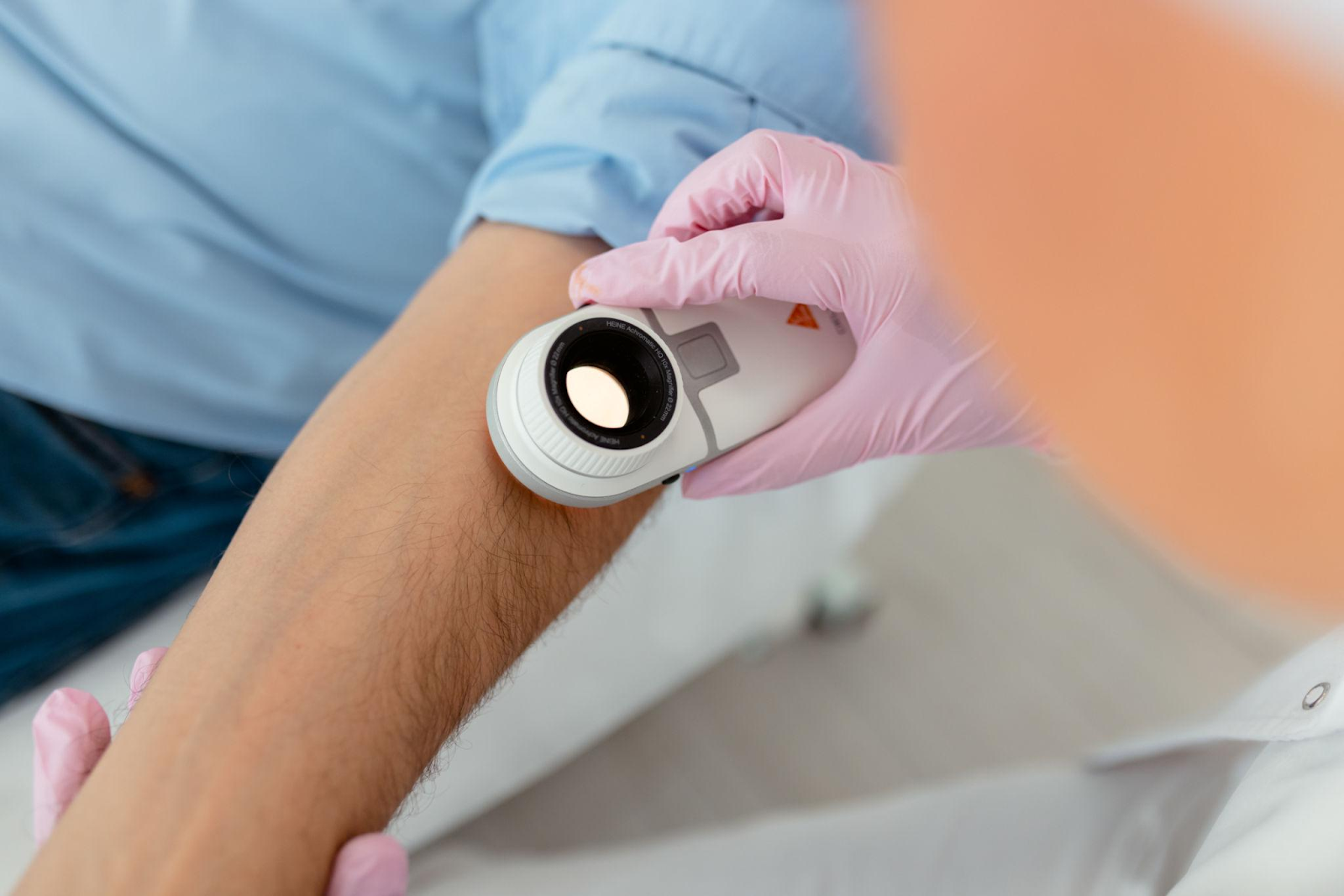
Skin cancer screening is a thorough assessment carried out by a dermatologist to examine the skin for any signs of concern. During the process, the skin is carefully evaluated to identify unusual or potentially harmful changes.
This includes checking for moles or lesions that appear suspicious, monitoring any changes in size, shape, or colour, and identifying new growths or areas that do not heal as expected.
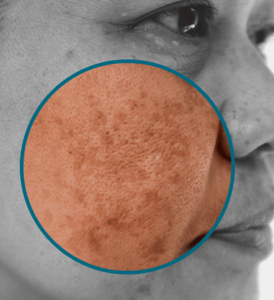
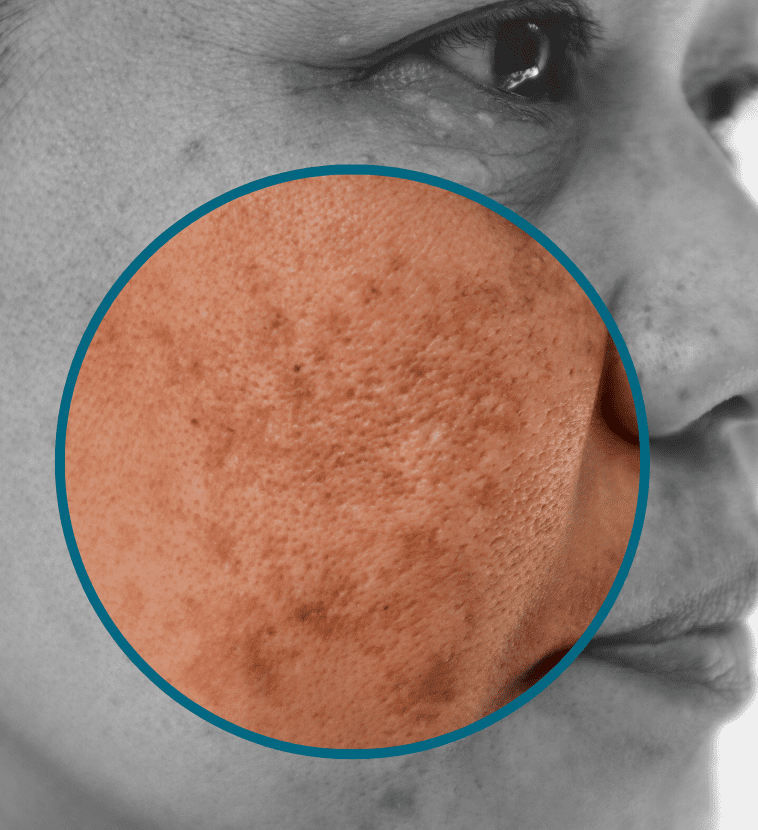
Monitoring Sun Spots and Pigmentation
Not all sun damage is cancerous, but sun spots and other pigmentation concerns can indicate cumulative UV exposure. A dermatologist can distinguish between benign sun damage and potentially dangerous lesions.
When Should You Get Checked?
- Annually, for most individuals
- More frequently if you have:
- A history of skin cancer
- Numerous or atypical moles
- A family history of melanoma
Mole Removal: When and Why It Matters
Moles are common, but changes in their appearance may signal a problem.
Signs a Mole Should Be Evaluated
Follow the ABCDE rule:
- Asymmetry
- Border irregularity
- Color variation
- Diameter larger than 6mm
- Evolving over time
Types of Mole Removal
At LIV Dermatology, mole removal is performed for both medical and cosmetic reasons. Treatment options include surgical excision, typically used for moles that are suspicious or potentially cancerous, and shave excision, which is suited to raised, benign moles.
If you have a suspicious mole, growing, or affecting your confidence, schedule a consultation with our dermatology team in San Antonio today.
DiamondGlow® Facial: The Ideal Pre-Summer Skin Refresh
As you prepare your skin for increased sun exposure, professional treatments can help restore clarity, hydration, and resilience.
What Is DiamondGlow®?
DiamondGlow® is a next-generation skin-resurfacing treatment that goes beyond traditional facials. It works by:
- Exfoliating dead skin cells using a diamond-tip wand
- Extracting impurities from pores
- Infusing the skin with condition-specific serums
Unlike traditional facials, DiamondGlow® goes beyond surface-level results to support overall skin health while enhancing visible radiance. It is an excellent option for patients focused on “prejuvenation,” helping to maintain healthy, resilient skin and proactively address early signs of aging at any stage.
Why It’s Perfect Before Summer
- Enhances skin hydration, helping your barrier function better in the sun
- Improves tone and texture for a smoother, more even complexion
- Prepares skin to absorb skincare products more effectively, including sunscreen
- Leaves skin radiant without downtime
This makes it an excellent option before vacations, events, or simply transitioning into warmer weather.
Laser Treatments in Summer: Let’s Debunk the Myth
A common misconception is that all laser treatments must be avoided during the summer months. While some aggressive lasers are not ideal for sun-exposed skin, not all lasers are off-limits.
The key is choosing the right technology and maintaining proper sun protection.
Moxi® Laser: A Safe and Effective Summer Treatment
Moxi® is a gentle, non-ablative fractional laser designed for preventative and corrective skin care.
How Does Moxi® Work?
Moxi® delivers controlled laser energy to the skin, creating micro-injuries that stimulate the body’s natural healing response. This promotes:
- Collagen production
- Cell turnover
- Reduction in pigmentation
Because it is non-ablative, it does not remove the top layer of skin, making it significantly less invasive than traditional lasers.
Why Is Moxi® Safe for Summer?
- Suitable for all skin types and tones
- Minimal downtime (recognised in aesthetics as a “summer-safe laser”)
- Lower risk of post-inflammatory hyperpigmentation
- Can be performed year-round with proper sun protection.
Benefits of Moxi®
- Improves sun damage and uneven pigmentation
- Smooths texture and refines pores
- Brightens dull skin
- Helps prevent visible signs of aging before they fully develop.
Moxi® is particularly effective for ‘prejuvenation’; an excellent choice for preventative aging and skin maintenance at any age.
Skin Cancer Awareness: Prevention, Detection, and Smart Treatment Choices
Skin Cancer Awareness Month is about more than education; it’s about action.
Protecting your skin daily, scheduling annual skin exams, and addressing sun damage early can significantly reduce your risk of skin cancer while keeping your skin looking its best.
Advanced treatments like DiamondGlow® and Moxi® allow you to safely rejuvenate your skin when performed under expert guidance.
At LIV Dermatology, our goal is to provide personalized care that prioritizes both your skin health and your confidence. Whether you’re due for a skin check or exploring ‘prejuvenation’, now is the time to take that next step.
FAQs
How often should I wear sunscreen?
Sunscreen should be worn every day. It should be included as part of your daily skincare routine, regardless of weather or season.
What SPF is best?
A broad-spectrum SPF 30 or higher is recommended for daily use.
How often should I get a skin check?
At least once a year, or more frequently if you are at higher risk.
Can I get a facial before summer?
Yes, for example, treatments like DiamondGlow® are ideal for prepping your skin before increased sun exposure.
Are lasers safe in summer?
Some lasers are safe to use in the summer. Gentle, non-ablative lasers like Moxi® can be safely performed year-round with proper sun protection.
What makes Moxi® different from other lasers?
Moxi® is designed for prevention and maintenance, offering subtle yet effective results with minimal downtime and greater flexibility across seasons.
Prioritize Skin Cancer Prevention and Healthy Skin Year-Round at LIV Dermatology
Taking care of your skin is a lifelong commitment. This Skin Cancer Awareness Month, prioritize protection, schedule your screening, and explore treatments at LIV Dermatology that support healthier, more resilient skin.